In practical energy utilization, a large amount of dispersed low-grade heat energy has long been difficult to recover effectively, while resources such as water vapor generated during heat exchange are often not fully utilized. How to achieve the synergistic conversion of heat energy and water resources under complex interface conditions is an important issue in current energy harvesting research.
Recently, a team led by Zhou Li, director of the Vita Tech Innovation Center at Beijing Tsinghua Changgung Hospital, Tsinghua University, in collaboration with the University of Chinese Academy of Sciences and the Beijing Institute of Nanoenergy and Nanosystems, proposed a self-propelled power generation strategy based on the metastable Leidenfrost effect, starting from the fundamental mechanism of interfacial energy conversion. This provides a new research approach for the synergistic utilization of distributed low-grade thermal energy and water vapor. Accordingly, the research team focused on the dynamic control of the solid-liquid-gas triple-phase interface, exploring the motion characteristics and energy output behavior of droplets on the interface, and further developed a novel device that combines autonomous motion and power generation capabilities.
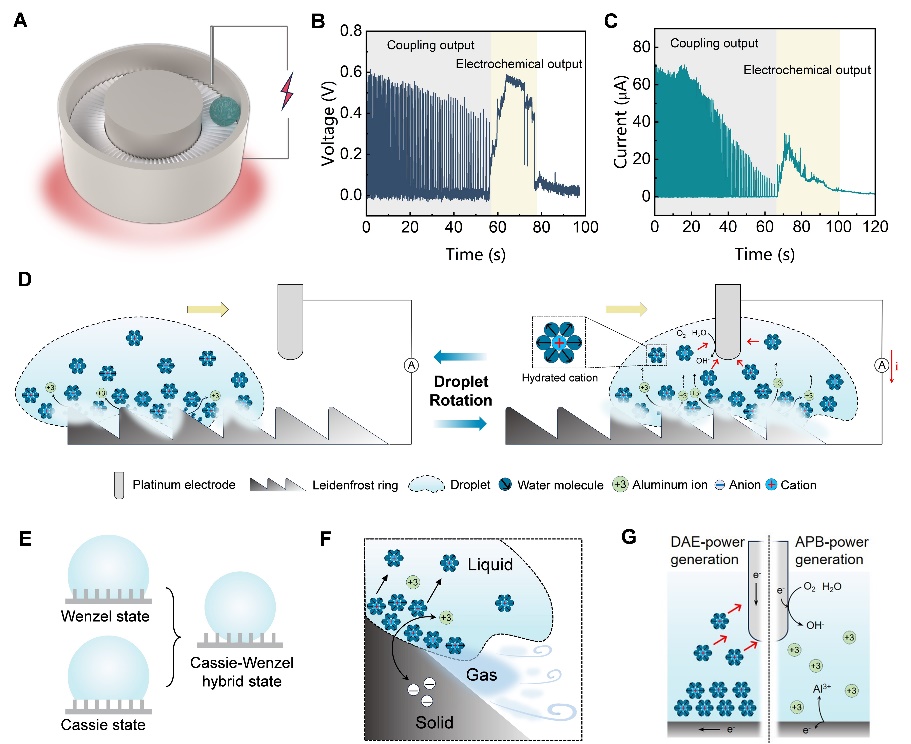
Figure 1. The self-propelled generator based on the metastable Leidenfrost effect
The key to this work lies in the reuse and manipulation of the interfacial barriers posed by the traditional Leidenfrost phenomenon. The research team constructed a dynamically stable solid-liquid-gas triple-phase contact state using interface engineering methods, coupling dynamic asymmetric electric double layer power generation with an aqueous primary battery reaction, enabling micro-droplets to continuously generate electrical signals during their movement. Experimental results show that a single 30‑microliter droplet can continuously generate more than 100 pulsed DC signals, demonstrating strong potential for interfacial energy conversion. Building on this, the team further designed a biomimetic fog-collecting device and integrated it with a self-propelled power generation system, constructing a closed-loop cycle of "water vapor collection—droplet power generation—recycling." This research not only provides a new technical solution for distributed thermal energy recovery but also demonstrates the possibility of multiple microscale energy conversion mechanisms working synergistically, providing important support for the miniaturization and integration design of related devices.
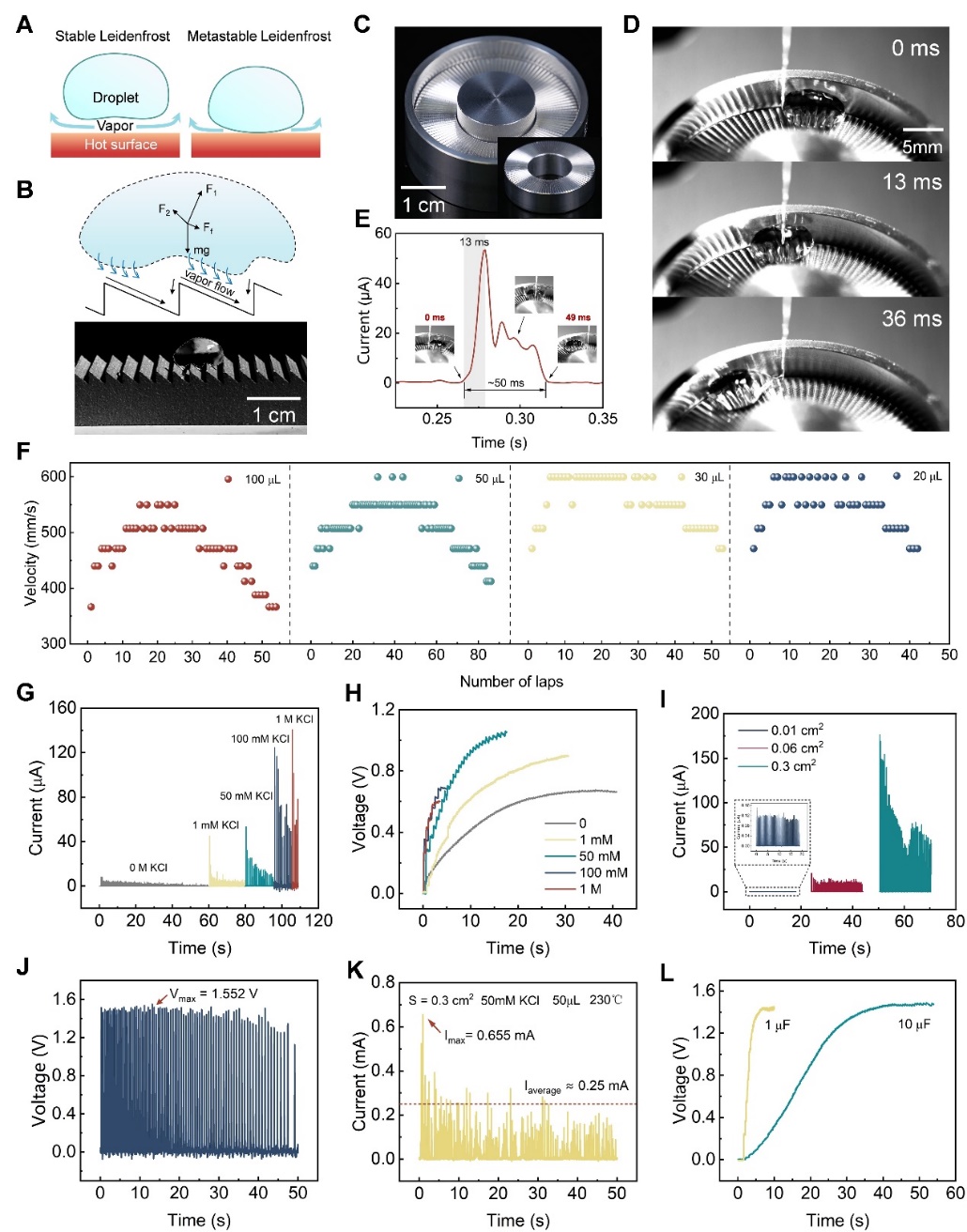
Figure 2. Motion image of a self-propelled droplet
It is noteworthy that while this research focuses on energy harvesting, the underlying interfacial mass transfer, phase transition regulation, and microscale power generation mechanisms share methodological commonalities with the long-standing focus in the medical-engineering interdisciplinary field of powering medical electronic devices. Especially against the backdrop of the continuous development of wearable monitoring and long-term health management devices, how to provide lighter and more flexible power supply solutions for small devices is becoming an important issue in health technology research and development. This research provides a novel approach to related directions from the perspective of fundamental mechanisms and reflects continuous exploration in the integration of medicine and engineering and cutting-edge interdisciplinary innovation.
The research findings, titled "Self-Propelled Generator for Low-Grade Heat Harvesting via Metastable Leidenfrost Effect" have been published online in Joule (Cell Press, IF 35.4), a top international journal in the field of energy. Beijing Tsinghua Changgung Hospital is the first corresponding author's institution. Zhou Li and Yang Zou (associate researcher at the Vita Tech Innovation Center) are the corresponding authors, Peng Cheng (doctoral student at the Beijing Institute of Nanoenergy and Nanosystems, Chinese Academy of Sciences) is the first author. This work was supported by the National Natural Science Foundation of China, the National Key Research and Development Program of China, and the Beijing Natural Science Foundation.
Link to paper: https://www.cell.com/joule/abstract/S2542-4351(26)00004-8
Editor: Li Han
